
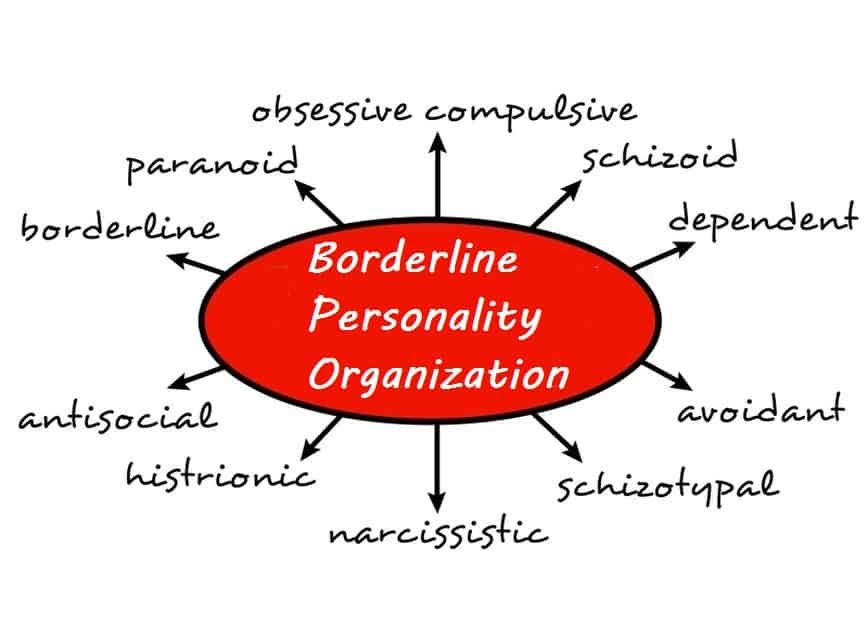
Borderline Personality Disorder (BPD) is a complex mental health condition characterized by intense emotional instability, impulsive behaviors, and difficulties in maintaining interpersonal relationships. People living with border line personality disorder often experience rapid mood swings, feelings of emptiness, fear of abandonment, and challenges in self-identity. The journey with BPD can feel chaotic, both for those affected and for their loved ones. However, with appropriate coping strategies and therapy approaches, individuals can move from chaos to clarity, cultivating stability, self-understanding, and emotional resilience.
Understanding BPD
BPD is not a sign of weakness or a failure in character—it is a legitimate mental health condition with biological, psychological, and environmental influences. Research suggests that BPD may result from a combination of genetic vulnerability, neurobiological differences (especially in areas regulating emotion and impulse control), and early life experiences, such as trauma or neglect. This complex interplay often makes emotional regulation and interpersonal functioning particularly challenging for individuals with BPD.
While BPD symptoms can be intense, understanding the condition is the first step toward effective management. Acknowledging the disorder reduces self-blame and fosters a foundation for healing.
The Role of Coping Mechanisms
Coping mechanisms are strategies individuals use to manage stress, regulate emotions, and navigate daily life. For people with BPD, adaptive coping mechanisms can significantly improve emotional stability and quality of life. Conversely, maladaptive strategies, such as self-harm, substance abuse, or impulsive behaviors, can exacerbate emotional turmoil and relational difficulties. The goal is to replace maladaptive patterns with healthier, sustainable coping strategies.
1. Emotional Awareness and Mindfulness
Mindfulness involves paying attention to the present moment without judgment. For individuals with BPD, practicing mindfulness can help create a pause between emotional triggers and reactive behaviors. Techniques include deep breathing, body scans, or guided meditation. By cultivating awareness of thoughts and feelings, individuals can begin to identify emotional patterns and respond more deliberately rather than impulsively.
Mindfulness-based approaches also improve emotional tolerance, allowing individuals to experience intense feelings without being overwhelmed or acting destructively.
2. Grounding Techniques
Grounding techniques help individuals detach from distressing emotions or overwhelming experiences and anchor themselves in the present. Common methods include:
- Sensory grounding: Engaging the senses, such as noticing textures, sounds, or smells.
- 5-4-3-2-1 technique: Identifying five things you see, four you feel, three you hear, two you smell, and one you taste.
- Physical grounding: Clenching and releasing muscles or holding an object to focus attention.
Grounding can prevent impulsive reactions and provide moments of clarity during emotional storms.
3. Emotion Regulation Strategies
BPD often involves heightened emotional sensitivity and difficulty returning to baseline after emotional triggers. Learning to regulate emotions can reduce chaos and promote stability. Emotion regulation techniques may include:
- Identifying triggers: Recognizing situations, people, or thoughts that evoke intense emotions.
- Labeling emotions: Naming feelings accurately, which can reduce their intensity.
- Healthy outlets: Channeling emotions through journaling, art, physical activity, or music.
Developing these skills allows individuals to navigate difficult emotions without resorting to destructive behaviors.
4. Interpersonal Effectiveness Skills
Relationships can be particularly challenging for those with BPD, due to fear of abandonment, sensitivity to perceived rejection, or impulsive reactions. Interpersonal effectiveness skills help maintain healthy boundaries, communicate needs assertively, and manage conflicts constructively. Techniques often involve:
- Assertive communication: Expressing feelings and needs clearly without aggression.
- Setting boundaries: Understanding and communicating personal limits.
- Problem-solving: Negotiating solutions without escalation or withdrawal.
These skills enhance relationship stability and reduce relational chaos.
Therapy Approaches for BPD
While coping mechanisms provide tools for daily life, structured therapy approaches address the deeper patterns and causes underlying BPD. Several evidence-based therapies have shown significant efficacy in reducing symptoms and improving functioning.
1. Dialectical Behavior Therapy (DBT)
Dialectical Behavior Therapy (DBT) is specifically designed for BPD. Developed by Dr. Marsha Linehan, DBT combines cognitive-behavioral techniques with mindfulness and acceptance strategies. The therapy focuses on four key skill modules:
- Mindfulness: Enhancing awareness and presence.
- Emotion Regulation: Reducing emotional vulnerability and improving coping.
- Distress Tolerance: Managing crises without harmful behaviors.
- Interpersonal Effectiveness: Improving relationships and communication skills.
DBT often involves both individual therapy and group skills training, providing support and real-life practice for managing intense emotions.
2. Cognitive Behavioral Therapy (CBT)
CBT is effective in identifying and modifying distorted thought patterns that contribute to emotional distress and impulsive behaviors. For BPD, CBT helps individuals:
- Recognize negative automatic thoughts.
- Challenge irrational beliefs.
- Replace maladaptive behaviors with healthier alternatives.
CBT can be particularly useful in addressing co-occurring conditions, such as depression or anxiety, which frequently accompany BPD.
3. Schema Therapy
Schema Therapy focuses on identifying and changing deeply ingrained patterns or “schemas” formed during early life experiences. These schemas often drive maladaptive behaviors and self-perceptions in adulthood. Through schema therapy, individuals learn to:
- Recognize harmful patterns.
- Understand their origins.
- Develop healthier ways of thinking, feeling, and behaving.
This therapy is especially helpful for individuals with chronic BPD symptoms or longstanding emotional difficulties.
4. Mentalization-Based Therapy (MBT)
Mentalization-Based Therapy (MBT) emphasizes understanding one’s own and others’ mental states. By improving mentalization—the ability to perceive and interpret thoughts, feelings, and intentions—individuals with BPD can:
- Better understand interpersonal interactions.
- Reduce impulsive reactions.
- Develop empathy and perspective-taking.
MBT is often delivered in individual and group formats, focusing on enhancing social functioning and emotional stability.
5. Medication Management
While therapy is the cornerstone of BPD treatment, medications may be used to manage specific symptoms such as mood swings, depression, anxiety, or impulsivity. Commonly prescribed medications include mood stabilizers, selective serotonin reuptake inhibitors (SSRIs), and antipsychotics. Medication is most effective when combined with psychotherapy, rather than as a standalone treatment.
Building a Supportive Environment
Recovery from BPD is not solely an individual effort; supportive environments play a critical role. Family therapy, peer support groups, and community resources can provide understanding, validation, and encouragement. Loved ones can benefit from psychoeducation to recognize BPD symptoms, practice empathy, and respond in ways that support stability and growth.
Moving from Chaos to Clarity
Living with BPD can feel like navigating a storm—emotional turbulence, relationship strain, and self-doubt. However, with a combination of coping mechanisms, evidence-based therapies, and supportive environments, individuals can transition from chaos to clarity. Recovery is not linear, and setbacks may occur, but progress is possible. The journey involves:
- Developing self-awareness and emotional literacy.
- Learning practical strategies to regulate emotions and manage stress.
- Engaging in therapy to address underlying patterns and promote long-term stability.
- Cultivating supportive relationships and environments that reinforce growth.
Ultimately, moving from chaos to clarity is about reclaiming agency over one’s emotions, behaviors, and relationships. With patience, commitment, and professional guidance, individuals with BPD can live meaningful, fulfilling lives.
Conclusion
Borderline Personality Disorder presents unique challenges, but it does not define a person’s potential. Through adaptive coping mechanisms, structured therapy approaches, and a nurturing environment, those with BPD can achieve emotional clarity, relational harmony, and personal growth. The path from chaos to clarity may be gradual, but every step toward understanding, resilience, and self-compassion represents meaningful progress.