France’s most recognized wine-producing regions have long attracted international attention, but their appeal extends far beyond viticulture alone. These areas offer a compelling combination of lifestyle quality, cultural prestige, and long-term real estate stability. Interest in Bordeaux Property for Sale illustrates how buyers increasingly view vineyard regions as secure, lifestyle-driven investments rather than purely aesthetic choices. The long-term appeal of these markets is rooted in structural, cultural, and emotional factors.
Global Recognition and Enduring Reputation
Wine-producing regions such as Bordeaux benefit from centuries of international recognition. This global reputation creates a level of brand equity that few regions can match. Buyers take confidence in the enduring visibility of these areas, knowing that demand is supported by a well-established international audience.
This recognition provides insulation against short-term market volatility. Even during broader economic shifts, renowned wine regions tend to retain interest due to their cultural significance and global awareness.
Limited Supply and Controlled Development
One of the strongest drivers of long-term investment appeal in vineyard regions is limited supply. Strict planning regulations, protected landscapes, and heritage preservation restrict large-scale development. As a result, new supply enters the market slowly, supporting scarcity and value stability.
This controlled growth contrasts with more speculative markets, where oversupply can quickly erode long-term returns.
Lifestyle-Driven Demand
Buyers are increasingly motivated by lifestyle considerations rather than pure financial performance. Wine regions offer a quality of life that aligns with evolving priorities around wellbeing, space, and balance. Open landscapes, access to nature, and slower pace of life contribute to sustained demand from both domestic and international buyers.
Importantly, this lifestyle appeal supports long-term occupancy rather than short-term turnover, reinforcing market stability.
Architectural and Cultural Depth
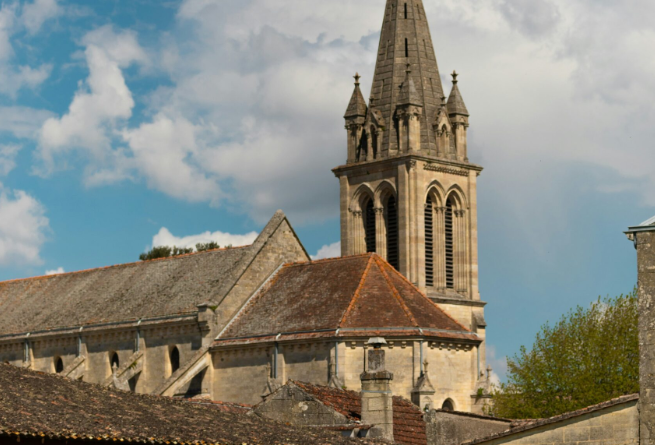
Properties in wine-producing regions often feature architectural heritage that adds emotional and financial value. Estates, stone houses, and historic residences contribute to a sense of permanence and authenticity that modern developments struggle to match.
Cultural depth enhances this appeal. Local traditions, gastronomy, and seasonal rhythms create living environments that feel rooted and meaningful.
Resilience Across Generations
The appeal of vineyard regions often spans generations. Families return over decades, and properties are retained as long-term assets rather than traded frequently. This generational continuity supports price resilience and reinforces the perception of wine regions as safe, enduring investments.
Conclusion
France’s most recognized wine-producing areas continue to attract buyers by offering a rare combination of global recognition, limited supply, and lifestyle richness. Their long-term investment appeal lies not in speculation, but in stability, cultural depth, and enduring desirability.