
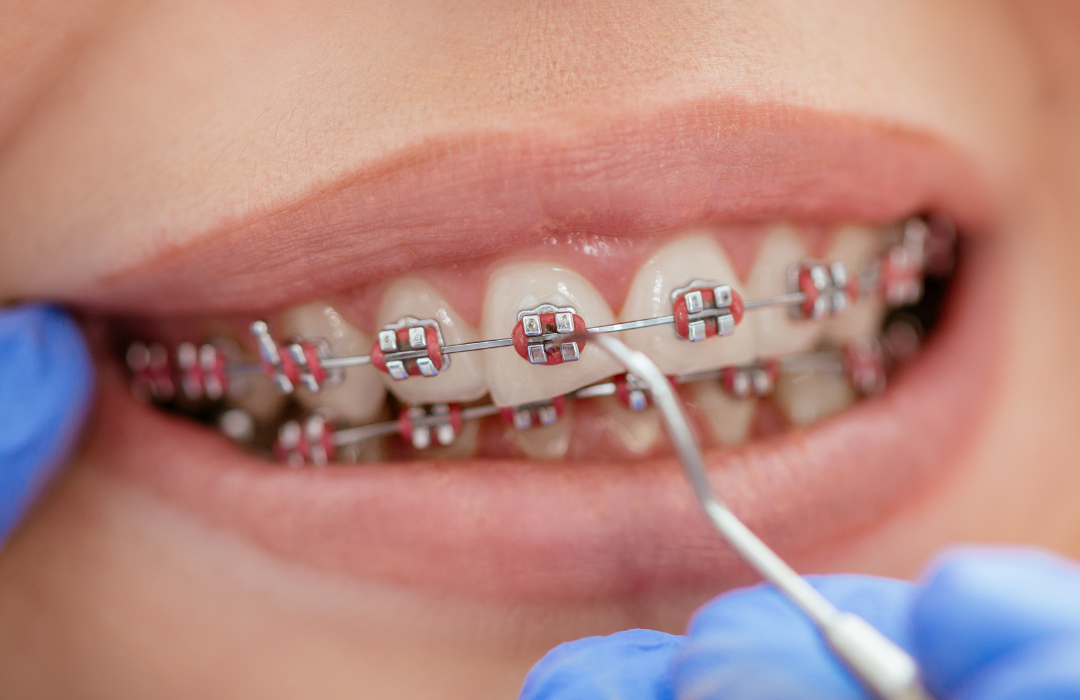
Choosing the right orthodontist is a crucial decision that can significantly impact your oral health, confidence, and overall well-being. Whether you're considering braces, clear aligners, or other corrective treatments, finding a qualified professional who understands your needs is essential. With so many options available, it can feel overwhelming to decide where to start. This complete guide will walk you through everything you need to know to choose the best orthodontist for your specific needs.
Understanding the Role of an Orthodontist
Before selecting an orthodontist, it’s important to understand what they do. Orthodontists are dental specialists who focus on diagnosing, preventing, and treating irregularities in teeth and jaw alignment. While general dentists handle routine care like cleanings and fillings, orthodontists undergo additional years of specialized training to correct issues such as overcrowding, overbites, underbites, and misaligned jaws.
Their expertise ensures that your treatment is both effective and safe, leading to long-term oral health benefits.
Identify Your Orthodontic Needs
The first step in choosing the right orthodontist is understanding your own needs. Are you seeking treatment for yourself or your child? Do you prefer traditional braces, ceramic braces, or nearly invisible aligners? Are you dealing with a complex alignment issue or a minor cosmetic concern?
Clearly identifying your goals will help narrow down your options. For example, some orthodontists specialize in pediatric care, while others focus on adult treatments or advanced orthodontic procedures.
Check Qualifications and Credentials
Not all dental professionals are orthodontists, so verifying credentials is essential. A qualified orthodontist should have completed a dental degree followed by specialized training in orthodontics. Look for certifications, licenses, and memberships in recognized professional organizations.
Experience also matters. An orthodontist who has successfully treated a wide range of cases is more likely to deliver reliable results. Don’t hesitate to ask how many similar cases they have handled.
Evaluate Treatment Options
Modern orthodontics offers a variety of treatment options beyond traditional metal braces. These include:
- Ceramic braces: Less noticeable than metal braces
- Lingual braces: Placed behind the teeth for a hidden appearance
- Clear aligners: Removable and nearly invisible
A good orthodontist should provide multiple options and explain the pros and cons of each. They should recommend a treatment plan tailored specifically to your needs rather than offering a one-size-fits-all solution.
Consider Technology and Techniques
Advancements in orthodontic technology have greatly improved treatment outcomes and patient comfort. Look for an orthodontist who uses modern tools such as digital imaging, 3D scanning, and computer-aided treatment planning.
These technologies allow for more precise diagnoses and customized treatment plans, often resulting in shorter treatment times and better results.
Read Reviews and Testimonials
Patient reviews can provide valuable insight into an orthodontist’s reputation and quality of care. Look for feedback on aspects such as:
- Professionalism and friendliness of staff
- Cleanliness of the clinic
- Effectiveness of treatment
- Overall patient satisfaction
While a few negative reviews are normal, consistently poor feedback should be a red flag. Testimonials from real patients can help you gauge what to expect.
Schedule a Consultation
Most orthodontists offer initial consultations, which are an excellent opportunity to evaluate their approach and communication style. During the consultation, consider the following:
- Do they listen to your concerns?
- Are they clear in explaining your treatment options?
- Do you feel comfortable asking questions?
A good orthodontist will take the time to understand your goals and provide honest, transparent advice.
Compare Costs and Payment Options
Orthodontic treatment is an investment, so it’s important to understand the costs involved. Prices can vary depending on the complexity of the case, the type of treatment, and the duration.
Ask for a detailed breakdown of costs, including:
- Initial consultation fees
- Monthly payments
- Retainers and follow-up visits
Many orthodontists offer flexible payment plans or financing options to make treatment more affordable. Additionally, check whether your dental insurance covers orthodontic care.
Location and Convenience
Convenience plays a significant role, especially since orthodontic treatment often requires regular visits. Choose an orthodontist whose clinic is easily accessible from your home, school, or workplace.
Also, consider their office hours. Flexible scheduling, including evening or weekend appointments, can make a big difference in maintaining consistency with your treatment plan.
Assess the Office Environment
The clinic environment can greatly influence your overall experience. A clean, organized, and welcoming office reflects professionalism and attention to detail.
Friendly and helpful staff are also important. From scheduling appointments to answering questions, the support team plays a key role in ensuring a smooth and stress-free experience.
Identify Your Orthodontic Needs
0
Every patient is unique, and your orthodontist Greensboro treatment should reflect that. Avoid practices that rush consultations or provide generic treatment plans.
A good orthodontist will take the time to create a customized plan based on your dental structure, lifestyle, and preferences. Personalized care leads to better results and a more comfortable experience.
Identify Your Orthodontic Needs
1
Treatment time can vary depending on the complexity of your case and the type of braces or aligners used. While some cases may take only a few months, others can last several years.
An experienced orthodontist will provide a realistic timeline and keep you informed throughout the process. Be cautious of promises that seem too good to be true, such as extremely short treatment times for complex cases.
Identify Your Orthodontic Needs
2
Clear communication is essential for a successful orthodontic journey. Your orthodontist should be approachable and willing to answer all your questions.
They should also provide guidance on maintaining oral hygiene, managing discomfort, and handling emergencies. Ongoing support ensures that you stay on track and achieve the best possible results.
Identify Your Orthodontic Needs
3
Finally, trust your instincts when making your decision. Even if an orthodontist has excellent credentials and reviews, your comfort level matters most.
Choose someone who makes you feel confident, respected, and understood. A positive relationship with your orthodontist can make the entire treatment process much more enjoyable.
Identify Your Orthodontic Needs
4
Choosing the right orthodontist is a decision that requires careful consideration and research. From evaluating qualifications and treatment options to assessing communication and convenience, every factor plays a role in ensuring a successful outcome.
By taking the time to understand your needs and thoroughly vet potential orthodontists, you can make an informed choice that leads to a healthier, more confident smile. Remember, orthodontic treatment is not just about aesthetics—it’s an investment in your long-term oral health and overall quality of life.