
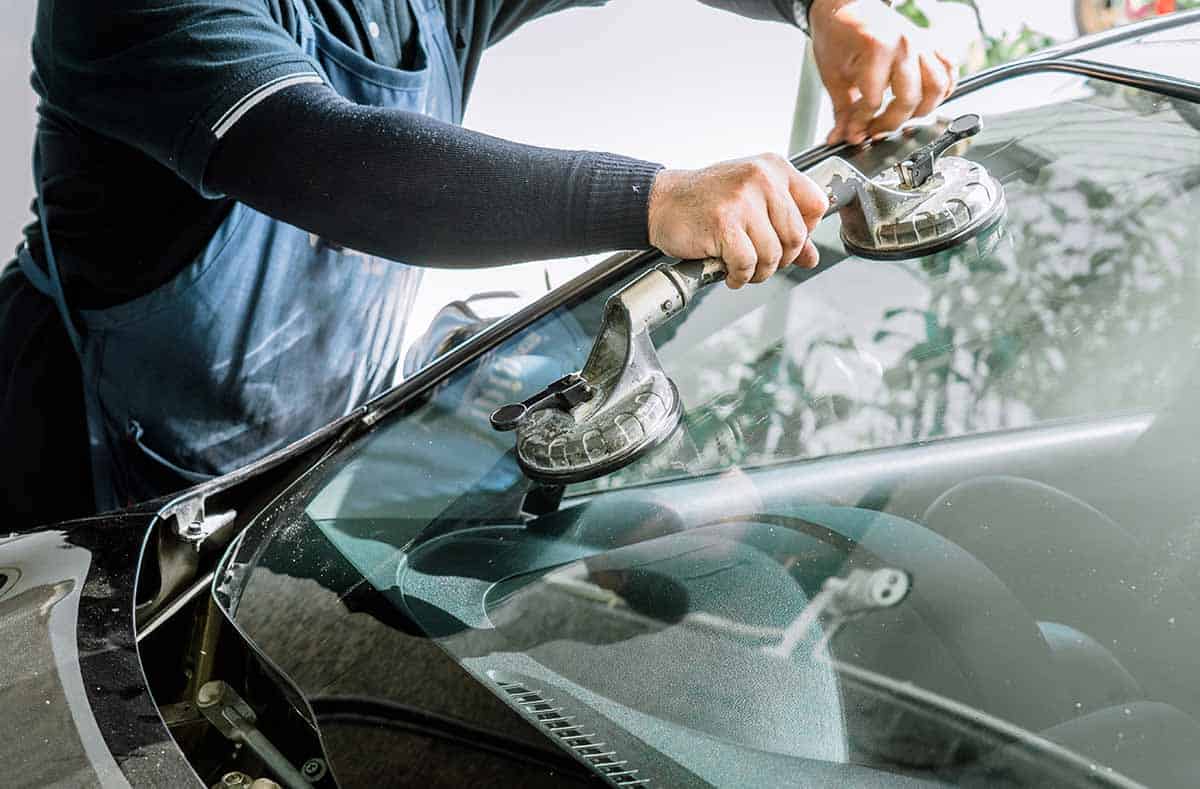
When you’re faced with replacing your windshield, you’re probably wondering what to expect in terms of cost. The truth is, it’s not a one-size-fits-all answer. The type of vehicle you own, the extent of the damage, and the quality of the replacement glass all play a role in determining the final bill. And that’s just the beginning – additional services and insurance coverage can also impact the cost. As you start to explore your options, you’re likely to have more questions than answers. What’s the difference between OEM and aftermarket glass, and which one is right for you?
Factors Affecting Windshield Cost
Determine your budget for replacing your windshield by considering the factors that affect the cost.
You’ll want to think about the type of vehicle you own, as luxury cars or those with advanced safety features tend to have more expensive windshields.
The extent of the damage also plays a significant role, as a simple crack might be repaired, but a shattered windshield will require a full replacement.
Your location is another key factor, as labor costs vary by region.
If you live in a urban area, you can expect to pay more than someone in a rural area.
Additionally, the time of year and weather conditions can impact the cost, as some shops may charge more for emergency repairs during peak winter months.
You’ll also need to consider the quality of the replacement windshield and the expertise of the technician performing the replacement.
A high-quality windshield with advanced features, such as UV protection or acoustic interlayer, will be more expensive than a standard one.
Furthermore, a technician with extensive experience may charge more than a novice.
Types of Windshield Replacement Glass
When you start shopping for a windshield replacement, you’ll quickly realize that not all glass is created equal.
The type of glass you choose can significantly impact the overall cost of the replacement. You’ll typically have three options: Original Equipment Manufacturer (OEM) glass, Original Equipment Equivalent (OEE) glass, and aftermarket glass.
OEM glass is the same type used in your vehicle’s original manufacturing process. It’s the most expensive option, but it ensures a perfect fit and meets the manufacturer’s quality standards.
OEE glass, on the other hand, is made by the same manufacturers that supply OEM glass, but it’s not branded with the manufacturer’s logo. It’s a more affordable option that still meets high-quality standards.
Aftermarket glass is the most budget-friendly option, but it may not meet the same quality standards as OEM or OEE glass. It can also affect your vehicle’s warranty and may not provide the same level of safety and performance as the other two options.
When choosing a windshield replacement glass, consider your budget, vehicle’s warranty, and personal safety priorities to make an informed decision.
Additional Repair Services Needed
Your windshield replacement may require additional repair services to ensure your vehicle is safe to drive and functioning properly.
These services might include repairing or replacing the windshield’s molding or trim, which can get damaged during the replacement process. You may also need to have your car’s advanced driver-assistance systems (ADAS) recalibrated, as the new windshield can affect the camera and sensor alignments.
In some cases, the technician may find additional damage to your vehicle’s body or frame, which will need to be repaired before the new windshield can be installed.
This could include fixing rust or corrosion on the windshield frame or replacing a damaged roof or door. You might also need to have your vehicle’s rain sensor or automatic wiper system reprogrammed to work with the new windshield.
Be prepared to discuss these additional services with your repair technician to ensure your vehicle is restored to its pre-damage condition.
Insurance Coverage and Deductibles
How will you cover the cost of your windshield replacement? If you have comprehensive coverage, you’re in luck! This type of insurance typically covers Windshield Replacement chandler Cash back replacements.
However, you’ll need to check your policy to see if there are any exclusions or limitations. You’ll also want to review your deductible, which is the amount you’ll need to pay out-of-pocket before your insurance kicks in.
In many cases, insurance companies will cover the full cost of a windshield replacement, minus your deductible. But it’s essential to review your policy to understand what’s covered and what’s not.
Some insurance providers may have specific requirements, such as using a certain type of glass or replacement shop. You may also have the option to upgrade to a higher-quality windshield or add features like rain-sensing wipers.
Before filing a claim, make sure you understand what’s covered and what you’ll need to pay out-of-pocket. You may want to contact your insurance provider to discuss your options and get a better understanding of what to expect.
Choosing the Right Replacement Shop
Selecting a reputable windshield replacement shop is crucial to ensure a safe and proper installation. You’ll want to do your research to avoid dealing with subpar workmanship, incorrect installations, or even scams.
Start by asking friends, family, or coworkers for recommendations. Check online review sites like Yelp, Google, or Facebook to see what other customers have to say about their experiences with local shops.
Look for shops that are certified by organizations like the Auto Glass Safety Council (AGSC) or the National Windshield Repair Association (NWRA). These certifications ensure the technicians have undergone rigorous training and adhere to industry standards.
Check if the shop uses OEM (original equipment manufacturer) or equivalent glass, which meets the same safety and quality standards as your vehicle’s original windshield.
Get quotes from multiple shops and compare prices, services, and warranties. Be wary of extremely low prices, as they may indicate subpar materials or workmanship.
Finally, ask about their warranty and guarantee policies. A reputable shop will stand behind their work and provide a comprehensive warranty.
Conclusion
You’ve got a solid understanding of what goes into the cost of replacing your windshield. Now it’s time to put that knowledge into action. Research local shops, compare prices, and ask about their experience with your vehicle’s make and model. Don’t compromise on quality to save a buck – your safety is worth the investment. With the right shop and a clear understanding of the costs involved, you’ll be back on the road in no time.