
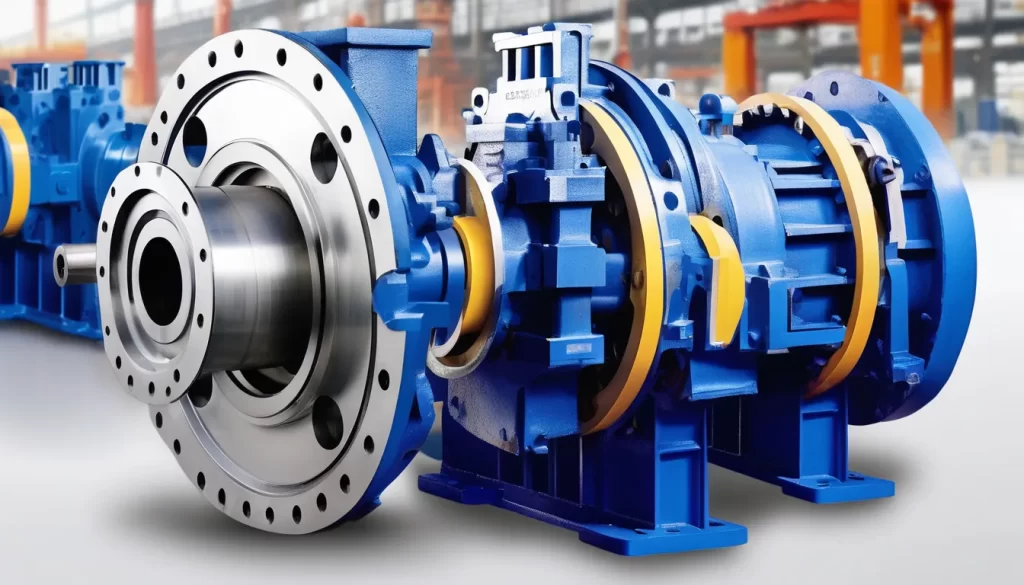
When you explore the case studies of successful gear drive implementations, you’ll find compelling evidence of their impact across diverse sectors. From automotive assembly lines boosting productivity to renewable energy projects maximizing output, these real-world examples illustrate how gear drives can enhance efficiency and sustainability. Each success story reveals unique challenges and innovative solutions that might surprise you. As you consider the implications for various industries, you’ll want to understand what specific factors contributed to these achievements and how they might apply to your own context. industrial gearbox manufacturer.
Manufacturing Industry Success
When you consider the manufacturing industry, it’s clear that gear drives have played a pivotal role in enhancing efficiency and productivity. These mechanical devices convert the rotational motion of motors into the desired output, making them integral to various manufacturing processes. You might notice that industries utilizing gear drives report significant improvements in their operational workflows.
For instance, in the automotive sector, gear drives facilitate smooth and precise movement in assembly lines, reducing downtime and improving output rates. By optimizing torque and speed, they ensure that machinery runs at peak performance.
You’ll find that manufacturers who’ve integrated gear drives into their systems have managed to decrease energy consumption while increasing overall production quality.
Additionally, gear drives help minimize wear and tear on equipment, extending the lifespan of machinery. As you explore case studies, you’ll see that companies adopting these systems often achieve higher reliability and reduced maintenance costs.
In a competitive landscape, those benefits translate into a stronger bottom line. So, if you’re looking to enhance your manufacturing operations, considering gear drives might just be the strategic move you need to make.
Renewable Energy Innovations
In today’s world, renewable energy innovations are transforming how we harness and utilize power, and gear drives are at the forefront of this evolution. You’ll find that these mechanical systems play a crucial role in optimizing performance in wind turbines and solar energy applications. By efficiently transferring and converting energy, gear drives enhance the overall system’s reliability and effectiveness.
For instance, in wind energy, gear drives help convert the low-speed rotational energy from turbine blades into high-speed energy suitable for generators. This not only maximizes energy output but also ensures the longevity of the components involved.
In solar applications, gear drives can adjust the angle of solar panels, ensuring they capture the maximum amount of sunlight throughout the day.
Moreover, advancements in gear drive technology contribute to significant reductions in size and weight, allowing for more compact designs that are easier to install and maintain.
As you explore these innovations, you’ll see that the synergy between renewable energy systems and gear drives is paving the way for a more sustainable future. Embracing these technologies now can lead to greater efficiency and reduced environmental impact, making it a win-win for both power production and sustainability.
Automotive Applications
Gear drives play a vital role in enhancing automotive performance, driving efficiency, and improving overall vehicle dynamics. By effectively transmitting power from the engine to the wheels, gear drives optimize torque and speed, allowing for smoother acceleration and better handling. Whether you’re cruising down the highway or navigating tight corners, these systems help deliver a responsive driving experience.
Here’s how gear drives impact automotive applications:
| Aspect | Impact |
|---|---|
| Power Transmission | Increases torque for better acceleration |
| Fuel Efficiency | Reduces energy loss, improving mileage |
| Durability | Enhances lifespan of drivetrain components |
| Noise Reduction | Minimizes vibrations and noise levels |
In modern vehicles, gear drives can be found in various applications, including automatic transmissions, differential systems, and even electric vehicles. By selecting the right gear ratios, manufacturers can tailor the driving experience to meet specific performance goals. As you consider the future of automotive technology, remember that gear drives will continue to be integral to achieving optimal performance, safety, and efficiency on the road.
Robotics and Automation
Robotics and automation heavily rely on gear drives to ensure precision and efficiency in various applications. When you think about robotic arms assembling products or automated guided vehicles navigating through warehouses, gear drives play a crucial role in their operation. They convert motor speed into torque and allow for smooth, controlled movement, which is essential for tasks requiring high accuracy.
In robotic systems, gear drives provide the necessary mechanical advantage to lift heavy components while maintaining agility. For example, in collaborative robots (cobots) that work alongside human operators, gear drives enable precise positioning, enhancing safety and efficiency.
You can also see gear drives in robotic welders and painting systems, where consistent motion is critical for product quality.
Moreover, automated systems in manufacturing often utilize gear drives to synchronize movements across multiple axes. This synchronization ensures that each component moves in harmony, significantly reducing the risk of errors.
Mining and Heavy Machinery
Mining and heavy machinery‘s efficiency hinges on the reliability of gear drives, which are essential for powering equipment like excavators, haul trucks, and drilling rigs. You know that the demands of these operations require robust components that can withstand extreme conditions.
Gear drives help you achieve this reliability by providing high torque and precise control, ensuring that your machinery operates smoothly under heavy loads.
In your day-to-day operations, you can count on gear drives to enhance performance and minimize downtime. For instance, when a mining company upgraded its haul trucks with advanced gear systems, they noticed a significant reduction in maintenance costs and an increase in productivity. This upgrade allowed for faster cycle times, ultimately improving the bottom line.
Moreover, gear drives contribute to energy efficiency, which is critical in reducing operational costs. They can optimize power transmission and lower energy consumption, helping you meet sustainability goals.
Conclusion
In conclusion, gear drives have proven to be game-changers across various industries. Whether you’re looking to boost productivity in manufacturing, enhance energy output in renewable energy, or improve efficiency in mining, these systems offer reliable solutions. Their adaptability and effectiveness make them essential for modern applications. By embracing gear drives, you’re not just optimizing performance; you’re also contributing to sustainability and innovation in your field. The future looks bright with gear drives leading the way!