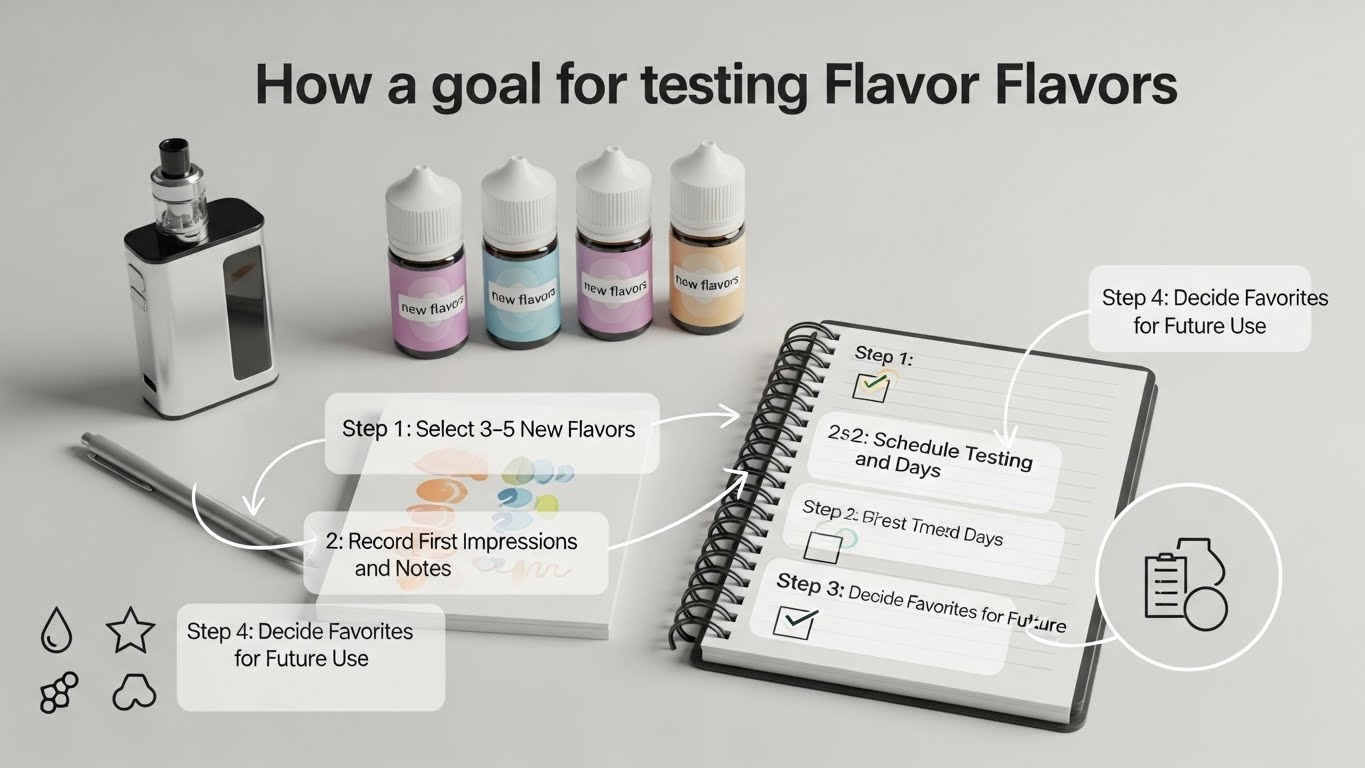
In the dynamic world of food and beverage, introducing new flavors can invigorate your brand and captivate your audience. However, simply creating new flavors is not enough; a well-defined goal is crucial for successful testing. This guide will walk you through the steps to set an effective goal for testing new flavors that aligns with your business objectives. Click here: https://e-liquids.com/collections/vape-juice
Understanding the Importance of Goal Setting
Why Set Goals?
Setting goals not only provides direction but also helps measure success. When testing new flavors, it’s vital to understand what you hope to achieve. Are you trying to attract new customers? Increase sales? Improve customer satisfaction? Clearly defined goals allow for targeted testing and analysis, leading to more informed decisions. For more info: https://e-liquids.com/collections/vape-kits
Types of Goals
When testing new flavors, consider these types of goals:
– **Quantitative Goals**: These are measurable objectives, such as hitting a specific sales target or achieving a certain number of customer reviews.
– **Qualitative Goals**: These involve subjective measures, like improving customer satisfaction or enhancing brand perception.
Step 1: Define Your Objectives
Identify Your Target Audience
Before setting a goal, you must understand who your target audience is. Are they adventurous eaters willing to try bold flavors, or do they prefer classic tastes? Conducting market research or surveys can help you gather valuable insights about your audience’s preferences.
Determine Your Business Needs
Align your flavor testing goals with your overall business strategy. Are you attempting to tap into a new market segment? Perhaps you aim to boost your product line’s diversity? Clearly understanding your business needs will inform your flavor goals.
Step 2: Set SMART Goals
Once you have your objectives in mind, it’s time to formulate them into SMART goals—Specific, Measurable, Achievable, Relevant, and Time-bound.
Specific
Be clear about what you want to achieve. Instead of saying, “We want to test new flavors,” specify, “We want to test three new ice cream flavors targeting health-conscious consumers.”
Measurable
Decide how you will measure success. For instance, “We aim to have at least 100 customer taste testers providing feedback on each flavor.”
Achievable
Ensure your goals are realistic. If you’re a small business, testing ten flavors in a month may be overwhelming. Aim for a number that is ambitious yet attainable.
Relevant
Your goals should align with your larger business objectives. If your aim is to increase brand visibility, consider how new flavors can enhance your marketing efforts.
Time-bound
Set a deadline for your flavor testing. For example, “We will test our new flavors over the next three months and analyze the results by the end of the quarter.”
Step 3: Develop a Testing Plan
Create a Flavor Profile
Before testing, create detailed flavor profiles for your new offerings. Describe the ingredients, taste, aroma, and potential pairings. This will help you communicate your vision and set expectations.
Choose Your Testing Method
There are various methods for testing new flavors:
– **Focus Groups**: Gather a small group of potential customers to sample and provide feedback.
– **Surveys**: Distribute online surveys to reach a broader audience.
– **In-store Sampling**: Offer samples in your store or at events to gather immediate reactions.
Logistics and Budget
Plan the logistics of your testing. How many samples will you create? What materials do you need? Additionally, budget for expenses, including ingredients, marketing materials, and any compensation for testers.
Step 4: Collect and Analyze Data
Gather Feedback
After testing, collect feedback through surveys, interviews, or observation. Look for patterns in preferences and suggestions, which will guide your next steps.
Analyze Results
Review the data you’ve collected and assess how well each flavor performed against your initial goals. Did you achieve the desired number of testers? What flavors stood out? Use this analysis to refine your product offerings.
Step 5: Make Informed Decisions
Decide on Launch
Based on your analysis, determine which flavors to move forward with. Consider not only customer preferences but also how well the flavors align with your brand and market trends.
Plan for Future Testing
Flavor testing should be an ongoing process. Use your findings to inform future goals and flavors. Remember, consumer tastes evolve, so staying ahead of the curve is essential.
Conclusion
Setting a goal for testing new flavors is a critical step in ensuring your product development process is successful. By following these steps—defining your objectives, setting SMART goals, developing a testing plan, collecting and analyzing data, and making informed decisions—you can create flavors that resonate with your audience. Remember, the key to success lies not only in innovation but also in the strategic approach to flavor testing. Happy tasting!