
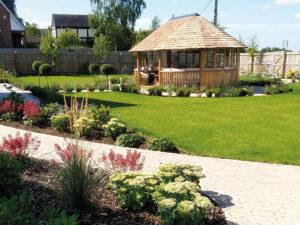
When you’re considering a bespoke wooden gazebo, it’s essential to think about how it can enhance your garden’s biodiversity. Choosing local, sustainable materials like cedar or reclaimed wood not only adds unique character but also supports the local ecosystem. A thoughtfully designed gazebo can serve as a refuge for wildlife, incorporating elements that attract beneficial insects and birds. However, placement and design choices are crucial for achieving a balanced ecosystem. What specific features can you incorporate to truly maximize your gazebo’s impact on biodiversity?
Importance of Biodiversity in Gardens
Biodiversity in gardens isn’t just about beauty; it’s crucial for creating a balanced ecosystem. When you cultivate a variety of plants, animals, and microorganisms, you’re not only enhancing the visual appeal of your space but also promoting a healthier environment.
Diverse species support each other, leading to improved pollination, pest control, and nutrient recycling. By attracting different insects, like bees and butterflies, you help increase pollination rates, which is vital for the production of fruits and vegetables.
Plus, a diverse plant population can deter pests naturally, reducing your need for chemical treatments. You might also find that certain plants act as companions, enhancing the growth and flavor of their neighbors.
Moreover, biodiversity creates habitats that nurture wildlife. Birds, beneficial insects, and small mammals thrive in environments rich in variety, keeping your garden lively and engaging.
Healthy ecosystems are resilient; they withstand pests, diseases, and changing climate conditions better than monocultures. By fostering biodiversity, you’re ensuring that your garden remains vibrant and productive year after year.
In a world increasingly affected by climate change and habitat loss, every step you take towards increasing biodiversity has an impact.
Choosing Sustainable Materials
When you’re selecting materials for a bespoke wooden gazebo, have you considered the environmental impact of your choices? Opting for sustainable materials not only enhances your gazebo’s aesthetic appeal but also supports the ecosystem.
Look for locally sourced timber to minimize transportation emissions and support local economies. Woods like cedar, redwood, or bamboo are excellent options, as they’re renewable and naturally resistant to pests.
Reclaimed wood can be another fantastic choice. You’ll add unique character to your gazebo while reducing waste and decreasing the demand for new timber. Just ensure the reclaimed materials are properly treated to prevent decay and insects.
Additionally, consider the finishes and treatments you’ll use. Non-toxic, water-based stains and sealants can protect your wood without harming the environment. Avoid harmful chemicals, which can leach into the soil and waterways, negatively impacting local flora and fauna.
Lastly, think about your gazebo’s longevity. Choosing durable materials and proper construction techniques means you won’t need to replace your gazebo as often, ultimately reducing your overall environmental footprint.
Design Elements for Wildlife Support
Incorporating design elements that support wildlife can turn your bespoke wooden gazebo into a thriving habitat. Start by adding nesting boxes for birds; choose various sizes to attract different species. You can also install insect hotels, which provide shelter for beneficial insects like ladybugs and bees. These elements not only enhance biodiversity but also create a vibrant atmosphere around your gazebo.
Consider using climbing plants on trellises or pergola beams. They provide food and shelter for birds and insects while also adding beauty to the space. Drought-resistant plants can thrive in nearby flower beds, attracting butterflies and other pollinators.
Native plants are particularly beneficial, as they support local wildlife and require less maintenance.
Incorporate water features, like a small pond or birdbath, to provide drinking and bathing spots for wildlife. Choose materials and textures that blend with your garden, making it feel like a natural oasis.
Placement Considerations for Ecosystem Balance
Achieving harmony in your garden means carefully considering where to place your bespoke wooden gazebo wooden gazebo. The right placement can positively impact local wildlife and enhance biodiversity.
First, observe the sunlight patterns throughout the day. Animals and plants thrive in specific light conditions, so choose a spot that provides the ideal balance of sun and shade. For instance, positioning your gazebo near trees can offer shade while still allowing warmth from the sun.
Next, think about water sources. If you have a pond or stream nearby, placing your gazebo within sight can encourage wildlife to visit, creating a vibrant ecosystem. However, ensure it’s not at risk of flooding during heavy rains.
Consider the existing flora and fauna around your garden. Your gazebo can act as a haven for pollinators, so place it close to flowering plants or herb gardens. Additionally, avoid areas with heavy foot traffic to minimize disturbances to wildlife.
Lastly, keep the overall flow of your garden in mind. Your gazebo should complement your garden design, inviting you into a mindful space while respecting the ecosystems that inhabit it.
Thoughtful placement creates a sanctuary for both you and the wildlife you aim to support.
Maintenance Tips for Longevity and Health
Over time, proper maintenance ensures that your bespoke wooden gazebo remains a beautiful and functional feature in your garden.
Start by regularly inspecting the structure for any signs of wear or damage. Look for cracks, splintering wood, or loose screws that could pose safety risks.
Cleaning is crucial, so use a gentle cleanser and soft brush to remove dirt and grime. Aim to do this every few months, especially after heavy rain or storms.
You should also pay attention to moisture; ensure proper drainage around the gazebo to prevent rot and decay.
Reapply a high-quality wood preservative every couple of years, especially on the exposed areas, to protect against UV damage and pests. If you notice any insect damage, treat it promptly with appropriate insecticides or natural repellents.
Trimming back nearby trees or shrubs can help minimize debris accumulation on your gazebo, reducing the need for maintenance.
Lastly, consider seasonal inspections to ensure everything’s in top shape and can withstand winter’s weight or summer’s storms.
With these steps, you’ll keep your gazebo sturdy and vibrant for years to come, benefiting both your garden and its biodiversity.
Conclusion
By choosing a bespoke wooden gazebo, you’re not just enhancing your garden’s beauty; you’re actively supporting its biodiversity. Sustainable materials and thoughtful design elements can create a vibrant habitat for local wildlife. With the right placement and care, your gazebo will thrive alongside your garden, inviting beneficial creatures and enriching your outdoor space. Embrace this opportunity to make a positive impact on your ecosystem, and enjoy the tranquility and connection to nature that your gazebo provides.