
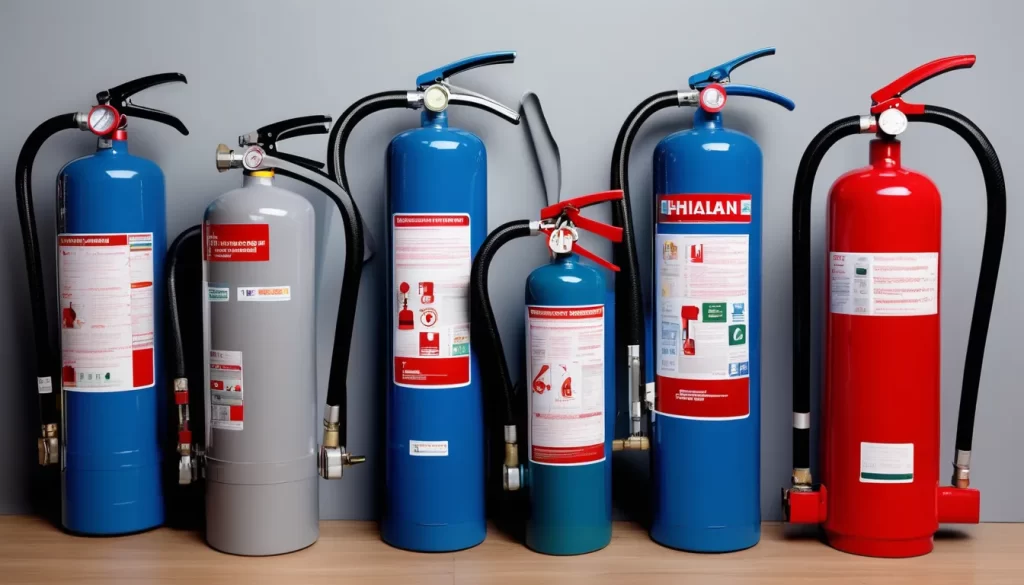
When it comes to fire extinguisher safety, knowing how to properly use and handle these devices is crucial. You might think you’re prepared, but have you mastered the PASS technique? It’s not just about having an extinguisher on hand; regular inspections and understanding the specific types for different fires can make all the difference in an emergency. As you consider these factors, ask yourself: are you truly ready to act when it matters most? Understanding the common pitfalls could be the key to ensuring your safety and that of those around you.
Importance of Fire Extinguishers
fire extinguisher s are crucial tools in preventing small fires from escalating into major disasters. When a fire breaks out, having a fire extinguisher nearby can mean the difference between a quick resolution and a devastating loss. You can take immediate action to douse flames before they spread, protecting your home, belongings, and loved ones.
It’s essential to recognize that fires can ignite unexpectedly, often in places you least expect. By keeping a fire extinguisher accessible, you’re empowering yourself to act swiftly. Knowing how to use it effectively can save lives and property. Regularly checking the extinguisher’s pressure gauge ensures it’s ready when you need it most.
Moreover, understanding the importance of fire extinguishers extends beyond just having them on hand; it involves educating yourself and your family on proper usage. Participating in fire safety drills can help everyone feel more confident in an emergency.
Types of Fire Extinguishers
When it comes to choosing the right fire extinguisher, understanding the different types available is crucial for effective fire safety. Each type is designed to combat specific classes of fires, so knowing which one to use can make all the difference in an emergency.
Here’s a quick overview of the main types of fire extinguishers you should be aware of:
- Class A: For ordinary combustibles like wood, paper, and cloth.
- Class B: Effective against flammable liquids such as gasoline, oil, and grease.
- Class C: Designed for electrical fires, often caused by wiring and appliances.
- Class D: Used for combustible metals, commonly found in industrial settings.
- Class K: Specifically for cooking oils and fats, ideal for kitchen fires.
Having the correct fire extinguisher on hand can save lives and property.
Make sure you select one that’s appropriate for your environment and the potential fire hazards you might face.
Regularly check your extinguishers to ensure they’re fully charged and in working order.
How to Use a Fire Extinguisher
Knowing how to use a fire extinguisher is just as important as having the right type on hand. In an emergency, you need to act quickly and confidently. Follow these steps to ensure effective use.
First, remember the acronym PASS: Pull, Aim, Squeeze, and Sweep. Start by pulling the pin at the top of the extinguisher; this breaks the tamper seal.
Next, aim the nozzle at the base of the fire, not the flames. This targets the fuel source, which is crucial for extinguishing the fire.
Then, squeeze the handle to release the extinguishing agent. Keep a firm grip, and don’t let go until the fire is under control.
Finally, sweep the nozzle from side to side while aiming at the base of the fire. Move closer as the flames decrease, but maintain a safe distance initially.
Always remember to keep your back to an exit, ensuring you have a clear escape route. If the fire doesn’t go out quickly or if it spreads, don’t hesitate to evacuate and call emergency services.
Being prepared can save lives, so familiarize yourself with the process before an emergency arises.
Maintenance and Inspection Tips
Proper maintenance and regular inspection of your fire extinguisher are essential for ensuring its reliability in an emergency.
You should check your extinguisher at least once a month and follow these key tips to keep it in top shape:
- Check the pressure gauge: Ensure the needle is in the green zone, indicating it’s fully charged.
- Inspect for physical damage: Look for dents, rust, or leaks that could affect performance.
- Examine the hose and nozzle: Make sure there are no cracks or blockages that could hinder operation.
- Keep it accessible: Ensure the extinguisher is in a visible location, free from obstructions.
- Schedule professional inspections: Have a certified technician inspect your extinguisher annually for comprehensive checks.
Common Mistakes to Avoid
Many people make critical mistakes when it comes to fire extinguisher usage that can compromise their safety. One common error is using the wrong type of extinguisher for the fire. Always check the label to ensure you’re equipped for the specific fire class, whether it’s grease, electrical, or general combustibles.
Another mistake is assuming that a small fire can be easily controlled. If the flames are too large or spreading quickly, evacuate immediately and call for help. Don’t try to fight a fire that’s beyond your control.
People also often forget to maintain a safe distance. You should stand about six to eight feet away from the fire, using the “PASS” technique—Pull, Aim, Squeeze, and Sweep.
Conclusion
In conclusion, understanding fire extinguisher safety is crucial for effective emergency response. Remember to choose the right type for the fire class, use the PASS technique, and regularly inspect your extinguishers. By staying informed and prepared, you can confidently handle small fires and protect yourself and others. Don’t forget: your quick action can make all the difference in an emergency. Stay safe and always prioritize fire safety!