
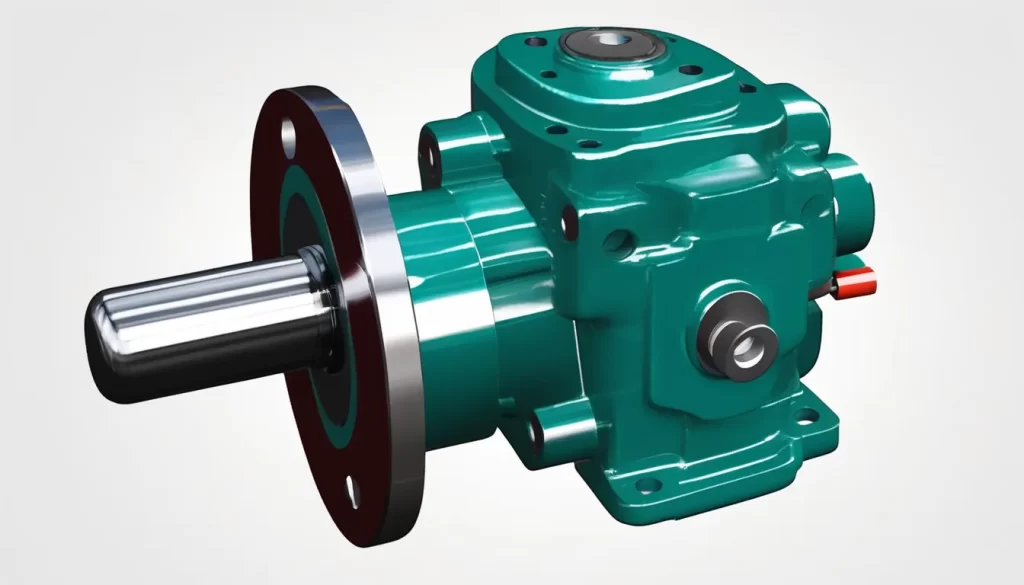
When you think about fluid transfer in various industries, gear pumps often come to mind due to their reliable mechanics and versatility. You might be surprised to learn how these interlocking gears generate a vacuum to efficiently move fluids, regardless of viscosity. As you explore their different types and applications, you’ll discover why they’re favored in sectors like oil and gas, chemical processing, and even food and beverage. Understanding the advantages they offer can provide insight into your own operations, but what about their maintenance and longevity?
Understanding Gear Pump Mechanics
When you dive into gear pump mechanics, you’ll discover how these devices efficiently move fluid through a system. Gear pumps operate on a simple yet effective principle: two interlocking gears rotate within a casing, creating a vacuum that draws in the fluid.
As the gears turn, they trap the fluid in the spaces between them and the casing, transporting it from the inlet to the outlet. You’ll notice that the fluid moves continuously and smoothly due to the precise fit between the gears. This design minimizes leakage and ensures a steady flow, making gear pumps ideal for various applications.
The rotation of the gears creates pressure, forcing the fluid out at the desired rate. You might appreciate the versatility of gear pumps as they’re used in numerous industries, including automotive, food processing, and pharmaceuticals.
Their robust construction and ability to handle different viscosities make them reliable in demanding conditions. Understanding these mechanics not only helps you grasp how gear pumps function but also highlights their importance in maintaining efficiency in fluid systems.
With this knowledge, you can better appreciate the role of gear pumps in everyday applications.
Types of Gear Pumps
Gear pumps come in various types, each designed to meet specific operational needs. You’ll find the two most common types are external پمپ دنده ای pumps and internal gear pumps.
External gear pumps consist of two gears that rotate in opposite directions, effectively drawing fluid into the pump and displacing it through an outlet. They’re great for handling low-viscosity fluids. On the other hand, internal gear pumps have one gear inside another, allowing for smoother operation and better handling of high-viscosity fluids.
Here’s a quick overview to help you differentiate between these types:
| Type | Features | Best For |
|---|---|---|
| External Gear Pump | Two independent gears | Low-viscosity fluids |
| Internal Gear Pump | Gear within another gear | High-viscosity fluids |
| Gear Type | Can be helical or spur | Varies based on application |
| Drive Mechanism | Electric motor or engine-driven | Versatile applications |
Understanding these types helps you choose the right gear pump for your needs, ensuring efficient operation in your projects.
Applications Across Industries
Across a variety of industries, gear pumps play a crucial role in the efficient transfer of fluids. In the chemical sector, you’ll find these pumps handling viscous liquids like resins and polymers, ensuring consistent flow rates.
In the oil and gas industry, gear pumps are essential for moving crude oil and refined products, providing reliable performance under high pressures.
If you’re in the food and beverage industry, gear pumps help with the transfer of ingredients, such as syrups and sauces, while maintaining hygiene standards. They’re designed to minimize shear and maintain product integrity, which is vital for quality control.
In construction, you may see gear pumps used in concrete mixing, where they facilitate the movement of thick, heavy materials.
Additionally, gear pumps are employed in hydraulic systems across various sectors, offering precise control over fluid motion. Their robust design makes them suitable for automotive applications as well, powering systems like power steering and transmission fluid delivery.
Ultimately, no matter the industry, gear pumps ensure that fluids are moved efficiently, making them a backbone of many modern processes.
Advantages of Gear Pumps
One key advantage of gear pumps is their ability to deliver a consistent flow rate, which is vital for many applications. This reliability not only enhances efficiency but also reduces the risk of equipment damage due to inconsistent fluid delivery.
When you choose gear pumps, you enjoy several benefits that set them apart from other pumping mechanisms.
- High Efficiency: Gear pumps are known for their efficient operation, minimizing energy loss and maximizing output.
- Self-Priming: They can handle a variety of fluids, including those with high viscosities, without the need for additional priming mechanisms.
- Durability: With fewer moving parts, gear pumps tend to have longer lifespans and require less frequent replacements.
- Compact Design: Their compact size allows for easy installation in tight spaces, making them ideal for various industrial setups.
Maintenance Tips for Gear Pumps
Maintaining your gear pump is essential for ensuring its longevity and optimal performance. Start with regular inspections; check for leaks, unusual noises, or vibrations that could indicate issues.
Make it a habit to monitor the pump’s temperature—excess heat can lead to premature failure.
Next, ensure the lubrication is always at the recommended levels. Use the appropriate oil or grease specified by the manufacturer, as improper lubrication can cause wear and tear.
It’s also wise to change the lubricant periodically to prevent contamination.
Keep the pump’s filters clean. Clogged filters can restrict flow and cause damage. Depending on your application, you might need to check filters monthly or quarterly.
Additionally, pay attention to the seals. Inspect them regularly for signs of wear.
Replacing worn seals promptly can save you from more significant problems down the line.
Conclusion
In summary, gear pumps are essential tools for efficiently transferring fluids across various industries. By understanding their mechanics and types, you can choose the right pump for your needs. With applications ranging from chemical processing to food production, their benefits—like consistent flow and durability—make them a top choice. Remember to follow maintenance tips to ensure optimal performance and longevity. Embracing gear pumps can significantly enhance your operations and fluid management!