
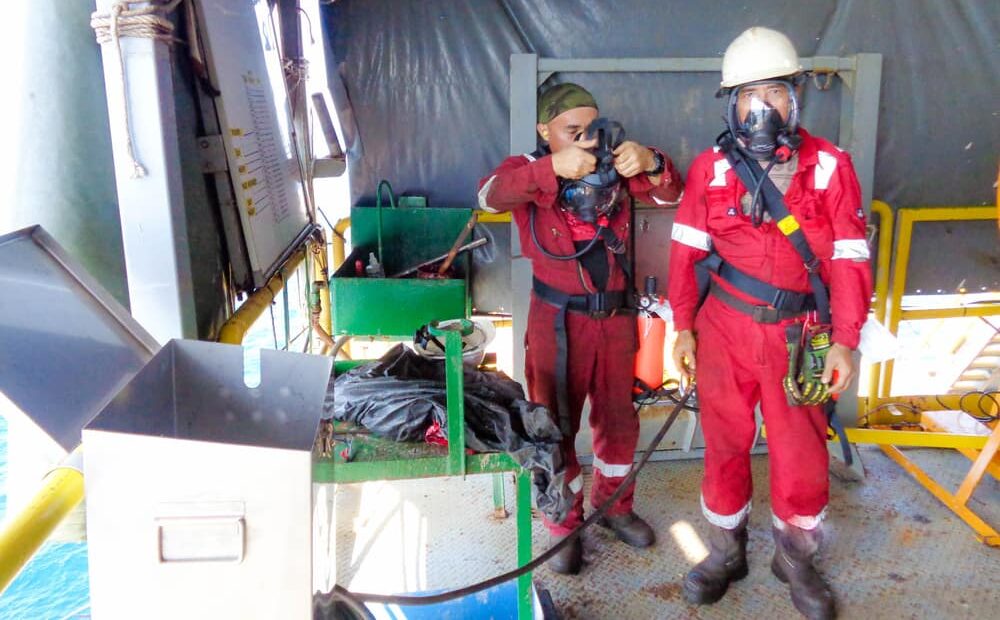
When you work in an environment where hydrogen sulfide is present, you’re exposed to a significant risk of accidents and fatalities. But what if you could take control of that risk? H2S Alive training empowers you to do just that. By learning how to detect H2S gas, respond to emergencies, and use personal protective equipment and respiratory safety devices, you’ll be able to prevent accidents and fatalities. But that’s not all – this comprehensive training program also teaches you how to identify potential hazards and assess risks. Are you ready to take the first step towards creating a safer working environment?
Understanding H2S Hazards and Risks
As you step into the oil and gas industry, you’re likely to encounter hydrogen sulfide (H2S), a toxic and highly flammable gas that can be deadly in even small concentrations.
You’ll find it in crude oil, natural gas, and produced water, making it a common hazard in the workplace.
Even brief exposure to H2S can cause respiratory problems, nausea, and headaches, while prolonged exposure can lead to respiratory failure, coma, or even death.
You’re not just at risk from inhalation; H2S can also contaminate soil and water, causing long-term environmental damage.
When H2S is released, it can spread quickly, putting you and your coworkers at risk.
The gas is heavier than air, so it can accumulate in low-lying areas, making it difficult to detect.
Understanding the risks and hazards associated with H2S is crucial to preventing accidents and ensuring a safe working environment.
Detecting H2S Gas in the Workplace
You’re likely to encounter H2S gas in the workplace, particularly in areas where crude oil, natural gas, or produced water are being handled or processed.
This toxic gas can be present in various forms, including vapor, mist, or liquid.
To detect H2S gas, you’ll need to rely on specialized equipment and your senses.
You’ll use H2S detectors, such as portable gas monitors or fixed systems, to identify the presence of the gas.
These detectors can alert you to the gas’s presence through visual, audible, or vibrational alarms.
You should also be aware of the characteristic “rotten egg” smell of H2S, which can be detectable at low concentrations.
However, don’t rely solely on your sense of smell, as olfactory fatigue can occur with prolonged exposure.
Additionally, look out for signs of H2S exposure, such as respiratory distress, dizziness, or nausea in yourself or coworkers.
Responding to H2S Emergencies Effectively
When H2S gas is detected in the workplace, every second counts. You need to respond quickly and effectively to prevent injuries or fatalities.
H2S Alive training teaches you how to respond to H2S emergencies, ensuring you’re prepared in case of an incident.
You’ll learn the procedures for responding to an H2S emergency, including how to assess the situation, identify the source of the leak, and evacuate the area.
You’ll also learn how to call for help, provide first aid if needed, and perform rescue operations if someone is overcome by H2S.
The h2s alive calgary will also cover how to use rescue equipment, such as rescue ropes and harnesses, and how to perform cardiopulmonary resuscitation (CPR) if someone’s heart stops beating due to H2S exposure.
By knowing how to respond to H2S emergencies, you’ll be able to protect yourself and your coworkers from the dangers of H2S gas.
With H2S Alive training, you’ll be confident in your ability to respond effectively in an emergency situation.
Personal Protective Equipment and Respiratory Safety
Three essential components of H2S Alive training are personal protective equipment, respiratory safety, and knowing how to use them effectively in H2S environments.
You’ll learn about the different types of personal protective equipment, including respirators, gloves, and eye protection.
You’ll understand how to properly wear and maintain this equipment to ensure your safety.
When it comes to respiratory safety, you’ll learn about the importance of breathing air that’s free from H2S.
You’ll discover how to use respiratory equipment, such as air-purifying respirators and supplied-air respirators, to protect yourself from toxic gases.
You’ll also learn how to perform pre-use checks on your equipment to ensure it’s functioning properly.
Reducing Accidents and Fatalities Through Training
Take a proactive approach to reducing accidents and fatalities by investing in comprehensive H2S Alive training.
You’ll gain a deeper understanding of the hazards associated with hydrogen sulfide and learn how to respond effectively in emergency situations.
This training will equip you with the skills and knowledge necessary to prevent accidents and fatalities in the workplace.
You’ll learn how to identify potential hazards, assess risks, and take corrective action to mitigate them.
Additionally, you’ll understand the importance of wearing personal protective equipment (PPE) and respiratory safety devices, as well as how to properly use them.
Conclusion
You’ve learned how H2S Alive training is crucial for enhancing workplace safety in environments where hydrogen sulfide is present. By understanding H2S hazards and risks, detecting gas, responding to emergencies, and using personal protective equipment and respiratory safety devices, you’ll be well-equipped to prevent accidents and fatalities. With this training, you’ll take a proactive approach to workplace safety, reducing the risk of injuries and fatalities, and creating a safer working environment for yourself and others.