
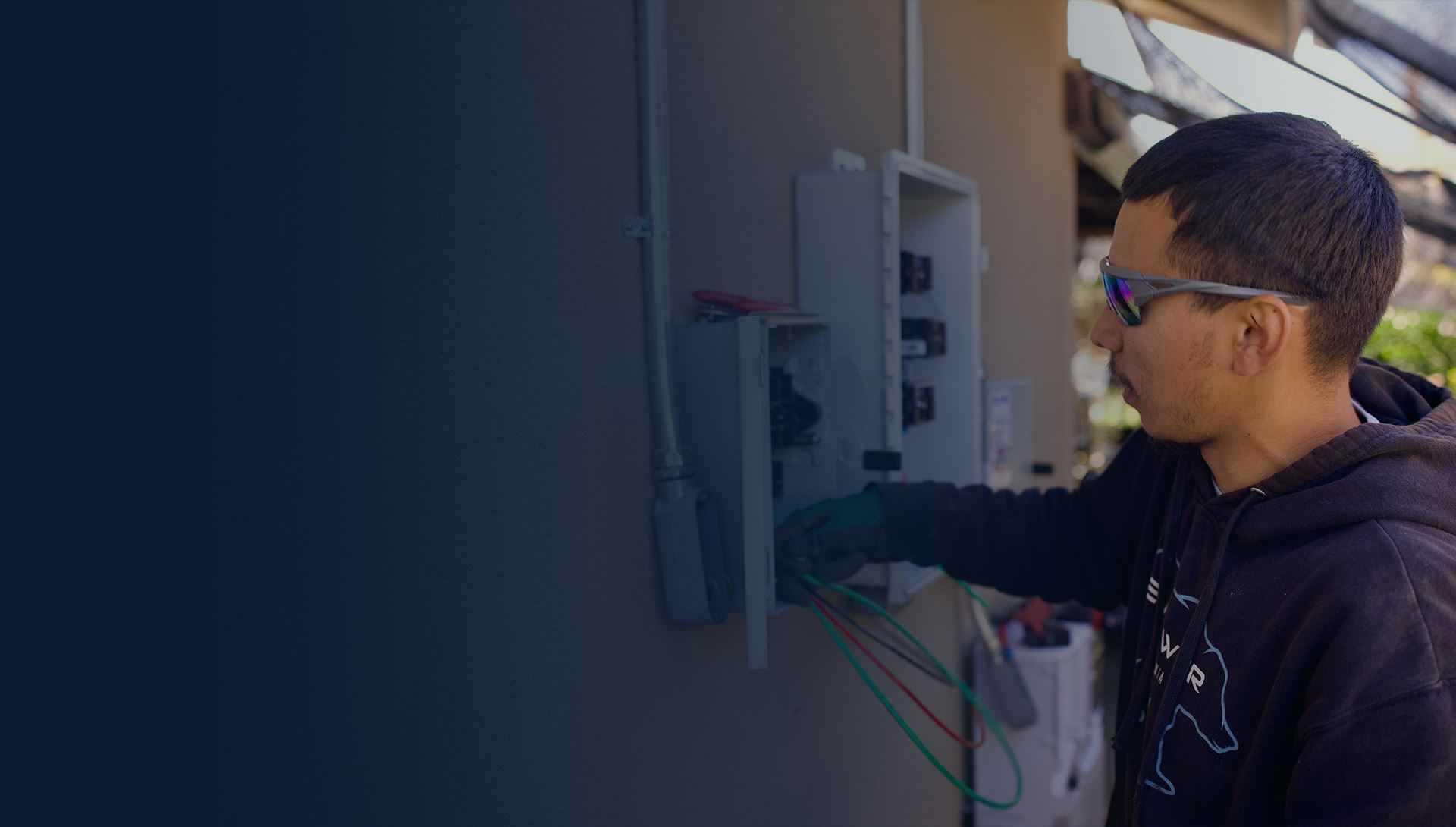
When you decide to upgrade to a smart home system, you’re not just getting fancy new gadgets – you’re investing in a more convenient, energy-saving, and secure living space. But to get there, you need to ensure your home’s electrical infrastructure can support these advanced devices. That’s where a residential electrician comes in. They’ll assess your home’s electrical needs, identify potential issues, and install the right devices for a seamless transition. But what does this process entail, and how do you choose the right devices for your needs? You’re about to find out.
Benefits of Smart Home Systems
Having a smart home system is like having a personal assistant, always ready to make your life easier and more convenient.
With a smart home system, you can control and monitor various aspects of your home from one central location. You can turn lights on and off, adjust the thermostat, and even lock doors with just a few taps on your smartphone or tablet.
You’ll appreciate the increased energy efficiency that comes with smart home system. For example, you can program your lights to turn off when you leave a room, which reduces energy waste.
You’ll also enjoy the enhanced safety features, such as receiving notifications when someone enters your home. Additionally, a smart home system can help increase your home’s resale value. Potential buyers will be impressed by the modern convenience and cutting-edge technology.
With a smart home system, you’ll experience a new level of comfort, convenience, and peace of mind.
Assessing Your Home’s Electrical Needs
Before you start integrating smart home devices, take a moment to assess its electrical needs. This step is crucial to avoid overheating, electrical fires, or device malfunctions.
Take stock of the number of outlets, their locations, and the amperage they can handle. Identify areas with high power consumption, such as home offices or entertainment centers.
Check your circuit breaker or fuse box to determine the capacity of your electrical panel. You should also consider the age of your home’s electrical system. If your home is older, it may not be able to support the increased power demands of smart home devices.
Make a list of your findings, including any potential electrical bottlenecks or areas that require upgrading. Having a clear understanding of your home’s electrical needs will help you and your residential electrician make informed decisions during the installation process.
Choosing the Right Smart Devices
With your home’s electrical needs assessed, you’re ready to choose the right smart devices that will make your life easier and more convenient.
Now, you can focus on selecting devices that fit your lifestyle and budget. Consider what you want to automate, such as lighting, temperature, security, or entertainment.
Research popular brands like Samsung, Philips, or Apple, and read reviews to ensure they’re compatible with your electrical system.
Think about the level of control you want, whether it’s through voice assistants, remote access, or automated routines.
Make a list of your must-haves and nice-to-haves to prioritize your purchases.
It’s essential to balance your desires with your budget, so set a realistic spending limit and stick to it.
The Installation Process Explained
As you prepare to bring your smart home system to life, it’s crucial to understand the process that will turn your devices into a seamless, integrated whole.
Your residential electrician will start by assessing your home’s electrical infrastructure to identify any potential issues or upgrades needed.
They’ll then develop a customized installation plan, taking into account the specific devices you’ve chosen and your home’s unique layout.
Next, your electrician will begin installing the necessary wiring, and devices, carefully ensuring that all components are securely connected and configured.
This may involve installing hubs, routers, and other central control systems that will integrate your devices.
Your electrician will also test each device to ensure it’s functioning correctly and make any necessary adjustments.
Throughout the process, your electrician will keep you informed about the progress, answering any questions you may have.
With their expertise, you can rest assured that your system will be installed efficiently, safely, and to your exact specifications.
Integrating Your Smart Home Devices
Most of your smart home devices will require integration with a hub or central control system to their full potential.
This means you’ll need to connect devices like thermostats, lights, and security cameras to a single platform. You can choose from popular options like Samsung SmartThings, Apple HomeKit, or Amazon Alexa.
When integrating your devices, you’ll need to consider compatibility. Not all devices work seamlessly with every hub.
You’ll need to ensure the devices you choose are compatible with your central control system. Your residential electrician can help you with this.
Once integrated, you’ll be able to control all your devices remotely using a single app or voice commands.
This allows you to create custom scenes and automations, making your life easier and more convenient. For example, you can create a “goodnight” scene that locks doors, turns off lights, and adjusts the thermostat with a single command.
Your residential electrician riverside ca can help you set up these custom scenes and ensure your smart home system is tailored to your specific needs.
Conclusion
Now that you’ve learned about the benefits, assessment, and installation process, it’s time to enjoy your smart home’s convenience, energy efficiency, and enhanced security. With a qualified electrician’s expertise, you can rest assured that your system is properly installed, configured, and integrated. You’ll appreciate the seamless transition to your new smart home, where you can easily control and monitor your devices, making your life easier and more enjoyable.