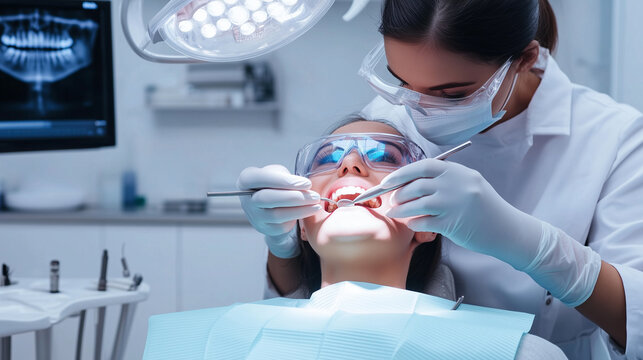

A tooth injury can happen in seconds. One moment, you are playing sports, enjoying a meal, or simply going about your day; the next, you are dealing with a chipped, cracked, loose, or knocked-out tooth. Beyond the pain and shock, the biggest concern is often knowing what to do next.
When searching for urgence dentaire Anjou, it helps to understand how to respond quickly and safely. Prompt dental care can make a meaningful difference, particularly when a permanent tooth has suffered trauma. Knowing the warning signs and taking the right first steps can help protect your smile while you arrange professional treatment.
Why Tooth Injuries Need Prompt Attention
A damaged tooth may look like a small problem, but an injury can affect the enamel, dentin, pulp, roots, gums, or surrounding bone. Sometimes the damage is obvious, while other injuries are hidden beneath the surface.
A tooth that appears only slightly chipped may have a deeper crack. Similarly, a tooth that feels loose after an accident may have suffered damage to the tissues supporting it.
Seeking dental attention promptly allows a professional to evaluate the injury and determine the most appropriate treatment.
Common Causes of Tooth Injuries
Dental trauma can occur in many everyday situations, including:
-
Sports-related accidents
-
Falls or collisions
-
Car or bicycle accidents
-
Biting down on hard foods
-
Accidental blows to the face
-
Grinding or clenching weakened teeth
-
Using teeth to open packages or bottles
Children and athletes can be particularly vulnerable, but dental injuries can happen to anyone.
What Should You Do Immediately After a Tooth Injury?
The first few minutes after an injury can feel chaotic. Try to remain calm and focus on protecting the affected area.
Begin by gently rinsing your mouth with clean, lukewarm water. This can help remove blood, food particles, and debris.
If there is swelling, place a cold compress against the outside of your cheek. Use it for short intervals rather than app ice directly to the skin.
Avoid chewing with the injured tooth, and do not repeatedly touch or move it with your fingers or tongue.
Most importantly, arrange professional dental care as soon as possible if the injury is significant.
What to Do If Your Tooth Is Chipped
A chipped tooth is one of the more common Urgence dentaire Anjou injuries. Small chips may not cause much discomfort, but larger fractures can expose sensitive inner layers of the tooth.
If a piece of the tooth has broken away, save it if possible. Place the fragment in a clean container and bring it with you to the dental appointment.
Don’t Try to Repair the Tooth Yourself
It may be tempting to smooth a sharp edge or attempt a temporary repair using household products. Avoid doing this.
Improvised repairs can injure the gums, damage the tooth further, or make professional treatment more difficult. A dentist can determine whether the tooth can be repaired with bonding, a filling, a crown, or another restoration.
A Cracked Tooth Can Be More Serious Than It Looks
Cracks can vary significantly in severity. A tiny surface crack may require monitoring, while a deeper fracture can extend toward the tooth’s inner tissues.
You may notice:
-
Pain when biting
-
Sensitivity to hot or cold
-
Intermittent discomfort
-
Swelling around the tooth
-
Pain that appears and disappears unexpectedly
A cracked tooth should be evaluated rather than ignored, especially if symptoms continue or become worse.
What If a Tooth Becomes Loose?
If a permanent tooth becomes loose following an accident, avoid wiggling it. Do not attempt to pull it out or reposition it yourself.
Keep the area as undisturbed as possible and seek urgent dental care. Depending on the injury, professional treatment may help stabilize the tooth and protect the surrounding tissues.
A loose baby tooth can be different from a loose permanent tooth, so professional evaluation is particularly important when you are unsure which type of tooth has been affected.
A Knocked-Out Permanent Tooth Is an Emergency
A completely knocked-out permanent tooth requires particularly fast attention. Time matters when trying to preserve the tooth.
Handle the Tooth Carefully
If you find the tooth, pick it up by the crown—the part normally visible above the gum. Avoid touching the root.
If the tooth is dirty, gently rinse it with clean water. Do not scrub the root or use soap or cleaning products.
If it can be safely placed back into its socket, it may be possible to do so gently. If that is not practical, keep the tooth moist in milk or a suitable tooth-preservation solution while seeking urgent professional care.
Do not allow the tooth to dry out.
Watch for Signs of a More Serious Injury
Not every consequence of dental trauma is immediately visible. Pay attention to symptoms that may suggest a more significant injury.
Seek prompt professional attention if you experience:
-
Severe or increasing pain
-
Significant facial swelling
-
Persistent bleeding
-
Difficulty opening your mouth
-
A tooth that has changed position
-
Extreme sensitivity
-
Numbness around the mouth
-
A damaged tooth with visible pulp
-
Signs of infection following an injury
If a dental injury is accompanied by difficulty breathing or swallowing, rapidly increasing swelling of the face or neck, or another potentially life-threatening symptom, seek immediate emergency medical attention.
How to Make Yourself More Comfortable While Waiting
You may need to wait a short time before receiving dental treatment. During that period, a few simple measures can help.
Choose Soft Foods
Eat foods that require minimal chewing and avoid the injured side. Stay away from hard, crunchy, sticky, or extremely hot foods if they increase discomfort.
Use a Cold Compress
A cold compress can help reduce swelling after trauma. Place it on the outside of the cheek rather than directly on the injured tooth.
Keep the Area Clean
Continue maintaining good oral hygiene, but be gentle around the injured area. Avoid aggressive brushing directly over a painful or damaged tooth.
Prevention Can Help Protect Your Smile
Not every dental injury can be prevented, but simple habits can lower the risk.
If you participate in contact sports, consider wearing a properly fitted mouthguard. Avoid chewing ice and extremely hard objects, and never use your teeth as tools to open packages.
Regular dental checkups can also help identify weakened teeth before they become more vulnerable to fractures.
Final Thoughts: Don’t Wait When Your Tooth Is Hurt
A tooth injury can be unsettling, but knowing what to do can help you respond confidently. Whether you are dealing with a chip, crack, loose tooth, or complete tooth loss, prompt professional care is often the smartest move.
If you are searching for urgence dentaire Anjou, pay attention to the severity of your symptoms and seek appropriate dental attention without unnecessary delay. Simple first-aid measures can provide temporary support, but they should never replace a professional examination.
Your smile deserves quick attention when an accident happens. Acting promptly can help protect the injured tooth, reduce discomfort, and give you the best opportunity for an effective recovery.
About the Author